Code Violations and Unpermitted Additions in the Las Vegas Valley
Many valley homes carry work that was never permitted: a garage turned into a bedroom, a patio walled in, a water heater moved. It often surfaces only when the house goes up for sale.
- Any condition
- No repairs or clean-out
- Open insurance claims OK
- No agent commission
- Close when you choose
The unpermitted projects we see most
Unpermitted work is not always a scheme to dodge an inspector. Often it was a previous owner's project, a contractor who said permits were not needed, or a quick fix done years ago. The trouble starts when an appraiser measures the house, an inspector notices an odd room, or a buyer's lender asks questions.
Garage conversions
Turning a garage into a bedroom, office or rental unit is one of the most common unpermitted projects in the area. Local building departments require a permit for a conversion, and the code issues are serious ones: emergency exits, smoke alarms, ventilation and wiring. Fire officials have pointed to unpermitted conversions without proper egress as a safety risk.
Patio enclosures and room additions
Enclosing an existing patio with glass, screens or solid walls generally requires a building permit in the City of Las Vegas, according to the city's homeowner permit guide. Room additions, carports, block walls above certain heights and moved plumbing or electrical work can fall under permit rules, too.
Systems swapped without inspection
Water heaters, AC units, electrical panels and gas lines changed without a permit are harder to spot but can come up on inspection. Our page on aging roofs and major systems covers equipment that is simply old as well as equipment installed without sign-off.
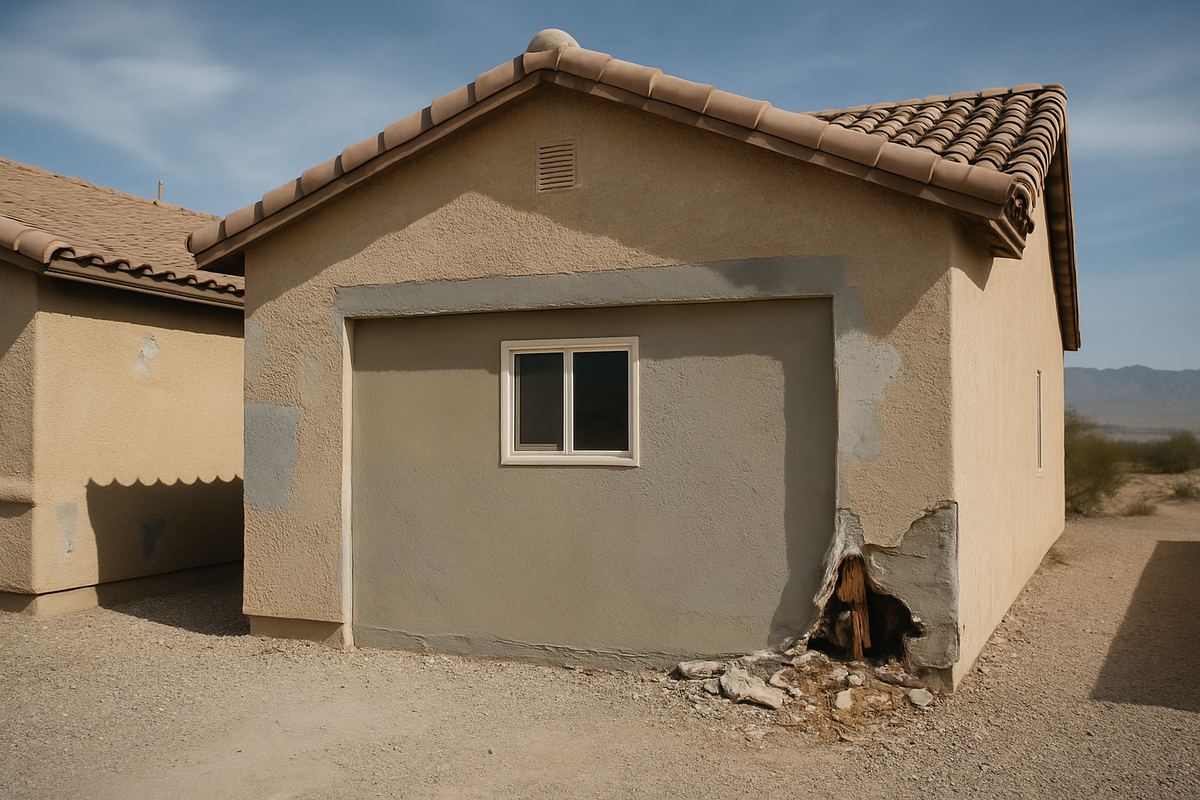
Who enforces the code depends on where the house is
The Las Vegas valley is several jurisdictions sharing one map. The City of Las Vegas, Henderson's city government and the City of North Las Vegas each run their own code enforcement and building departments. Unincorporated communities such as Spring Valley, Enterprise, Paradise and Sunrise Manor are handled by Clark County, whose code enforcement FAQ explains its process. A house with a Las Vegas mailing address is not necessarily inside city limits, so check the notice or the county assessor's record to see who has jurisdiction.
That matters for owners in places like Spring Valley, where the county is in charge, and in Henderson, where the city has its own office and HOA rules can stack on top of city code.
Open cases, notices and fines
A code case can start with a neighbor complaint, an inspection or an officer driving by. The process usually begins with notice and a chance to comply. If the issue is not resolved, penalties or liens may follow depending on the jurisdiction. Read every notice you receive, keep copies and contact the department listed on it. Some departments have offered programs that let owners self-report unpermitted work, so it can be worth asking.
When you call a department, have the parcel number or address ready and ask what is open on the property, whether any fines have been recorded and what would close the case. Write down who you spoke with and when. That information is useful whether you decide to fix the issue or sell the house as it is, and it helps escrow sort out any recorded liens before closing.
Bad Shape? Send It Anyway.
Burnt, flooded, cracked or packed to the ceiling, we still want to hear about it. Give us the address and the short version of what's wrong, and we'll come look before we put a number in writing.
If typing it out is too much, the red TALK TO ALEX button gets you a person on the phone.
How unpermitted work surfaces during a sale
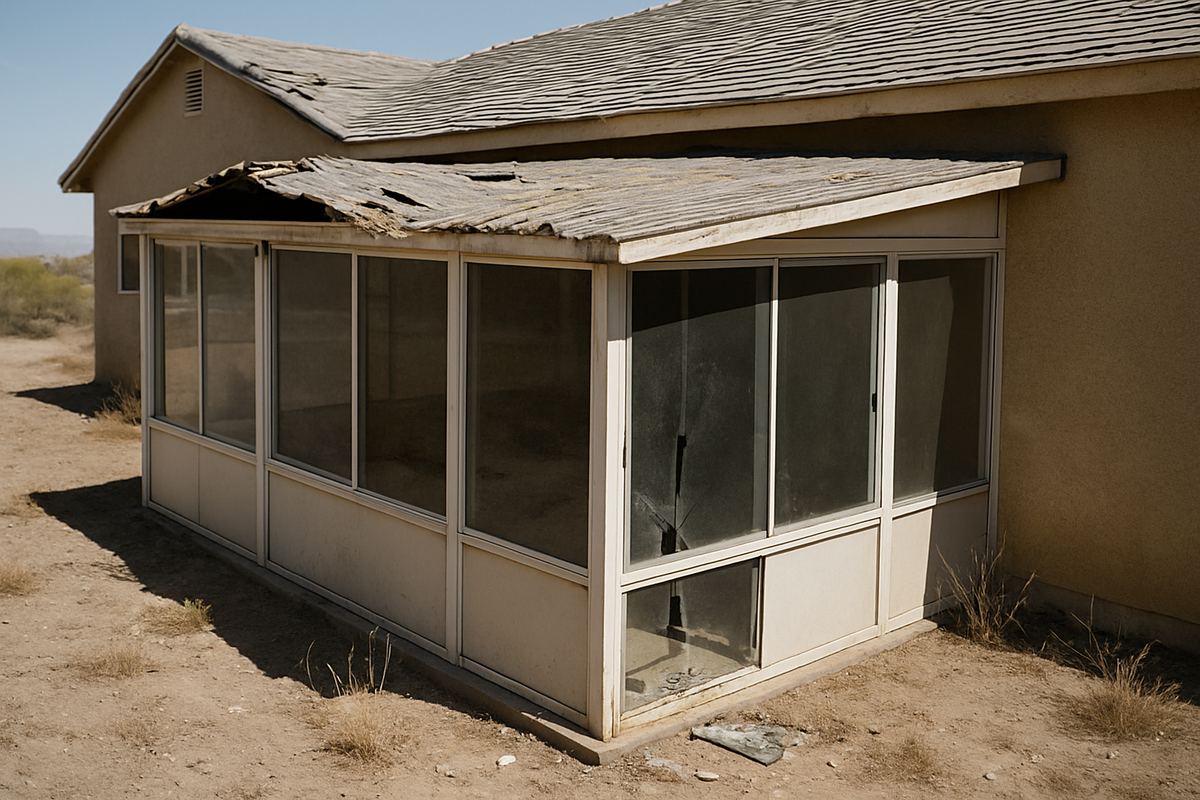
Unpermitted work tends to stay quiet until someone compares the house to its records. Assessor data lists square footage, bedrooms and other features, and when the house in front of an appraiser does not match those records, questions follow.
Appraisals, inspections and HOAs
An appraiser may decline to count a converted garage or enclosed patio as living space. A home inspector may flag wiring, venting or egress that does not look code-compliant. In communities with an HOA, exterior changes made without architectural approval can lead to a separate set of letters. Any one of these can send a financed buyer back to the negotiating table, or out of the deal. We buy knowing the records and the house may not match.
Getting the work legalized versus selling as-is
Owners who want to keep the house or sell to a loan buyer often hire a contractor or architect to draw plans and apply for an after-the-fact permit. That can mean opening walls for inspection, upgrading work to current code or removing an addition. For a sale to us, none of that has to happen first. We buy with the unpermitted work in place and the case open, and we account for both in the offer.
- Gather any notices or letters from the city or county, plus any permit history you know about.
- Tell us what was built or changed and roughly when, even if you are not sure.
- Walk the property with us so we can see the work and how it ties into the rest of the house.
- Review a written as-is offer and set the closing date that fits your timeline.
Escrow and title details are on our how the sale works page.
Disclosure, liens and getting advice
Nevada's seller disclosure form asks about known conditions, including work done without required permits. Selling as-is does not generally remove that duty, though there are exceptions. Recorded liens from code fines are usually handled through escrow along with any mortgage payoff. We do not give legal advice, and a Nevada real estate attorney can explain your exposure. More general answers are on our seller questions page.
Code issues also show up alongside other problems. Overgrown yards, debris and exterior clutter at a hoarder house often trigger nuisance complaints, and a vacant property with broken windows can draw a notice too, which we cover on the vandalism and squatter damage page. Everything we buy is listed on our house problems hub.
Common Questions About This
Can I sell a house with an open code enforcement case?
Usually, yes. The case and any recorded fines need to be addressed during closing, and escrow typically handles liens alongside a mortgage payoff. Contact the city or county department on your notice to understand the current status. We buy with open cases and do not require you to close them out first.
Do I have to get a permit for my garage conversion before selling?
Not for a sale to us. A loan buyer or their lender may push for permits or removal, but we buy with the conversion in place. If you want to legalize it instead, the building department for your jurisdiction can explain the after-the-fact process, and a contractor or architect can help with plans.
How do I know whether the city or the county has jurisdiction?
Check the department named on any notice you received, or look up the parcel through the Clark County Assessor. Many homes with a Las Vegas mailing address sit in unincorporated communities like Spring Valley or Enterprise, which the county handles. Henderson and North Las Vegas each have their own departments.