Water-Damaged and Moldy Houses, Bought As-Is
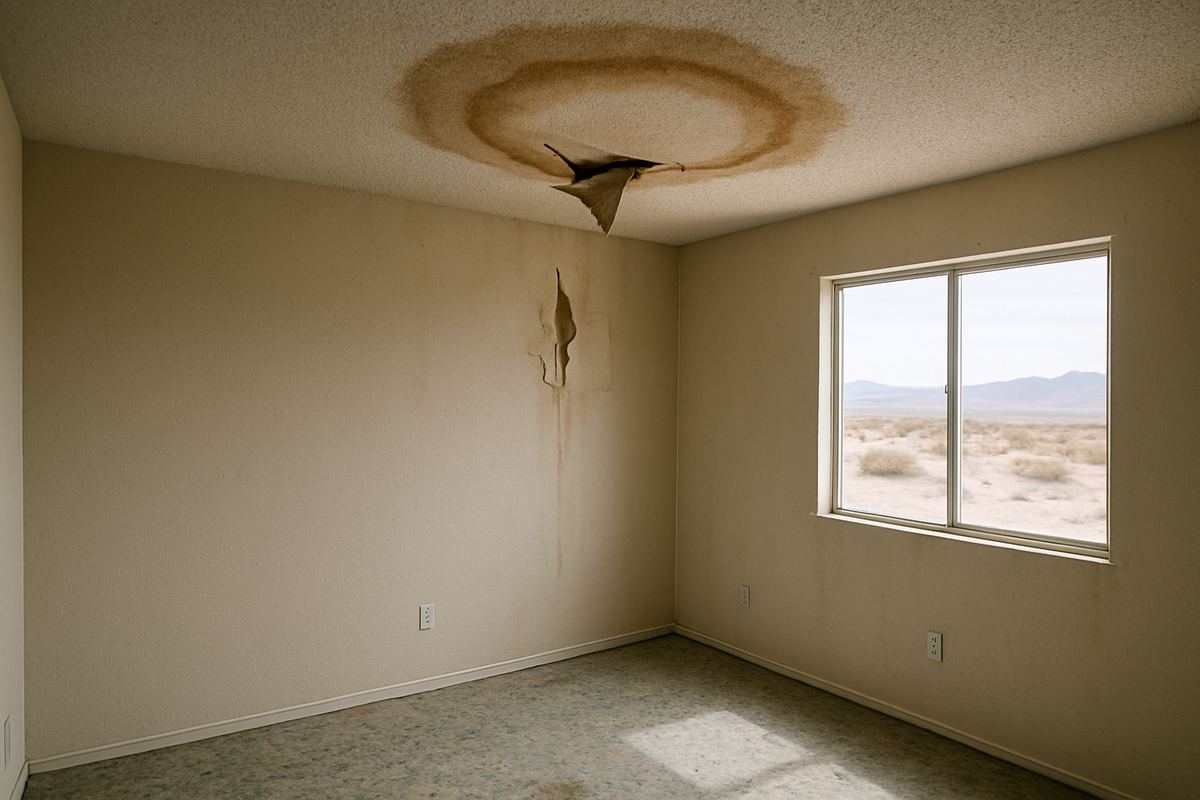
In a dry climate, water damage often hides. It shows up as a warm spot on a tile floor, a stain spreading across a ceiling, or a musty smell in a closet that nobody can trace.
- Any condition
- No repairs or clean-out
- Open insurance claims OK
- No agent commission
- Close when you choose
Where the water usually comes from
Knowing the source matters more than knowing the size of the stain. Mold and rot return when the source is not stopped, so buyers and inspectors always ask where the water came from first.
Slab leaks under concrete floors
Most valley homes sit on concrete slabs, and many have supply lines running underneath them. When a line under the slab fails, signs can include a warm floor, a running-water sound with every tap off, an unexplained jump in the water bill, or cracked tile. Finding the leak usually means a leak-detection plumber. Repair can mean jackhammering the slab or rerouting the line through walls and attic. Slab movement from soil is a separate issue, covered on our page about cracked slabs and foundation movement.
Burst pipes, failed fittings and old plumbing
A water heater that lets go, a washing-machine hose that splits, or a fitting that gives out while the house is empty can soak a home in hours. Some older systems, including the gray polybutylene supply pipe used in many homes built from the late 1970s into the mid-1990s, have a reputation for failing without warning. That history is explained on our old plumbing, roof and electrical page.
Roof leaks during monsoon storms
Summer storms can push water past worn underlayment and flashing. On tile roofs, the tile may look fine while the layer underneath has dried out and cracked. Water then travels along rafters and appears far from where it entered.
The reality of mold remediation
Federal guidance from the EPA treats mold as a moisture problem first: fix the water source, then clean up the growth. There are no federal limits for mold or mold spores, which is one reason air sampling results can be hard to interpret. The EPA suggests that small areas may be manageable by a homeowner while larger areas, or mold caused by contaminated water, call for a professional.
Who you would call if you were fixing it
A remediation contractor handles containment, removal of affected materials and cleanup. A plumber or roofer stops the source. If an insurance claim is involved, your insurance adjuster decides what the policy covers, and coverage for gradual leaks and mold is often limited. Read your policy or ask the adjuster rather than assuming.
Selling as-is skips that entire sequence. You do not need to open walls, run dehumidifiers, or produce a clearance test for us.
Remediation also tends to grow once walls are opened. Wet drywall and insulation are typically removed and replaced, cabinets may come out, and flooring often follows. Owners who planned on a small repair sometimes find themselves managing a full interior rebuild, which is exactly the project we take on after buying.
Bad Shape? Send It Anyway.
Burnt, flooded, cracked or packed to the ceiling, we still want to hear about it. Give us the address and the short version of what's wrong, and we'll come look before we put a number in writing.
If typing it out is too much, the red TALK TO ALEX button gets you a person on the phone.
Why wet houses stall with traditional buyers
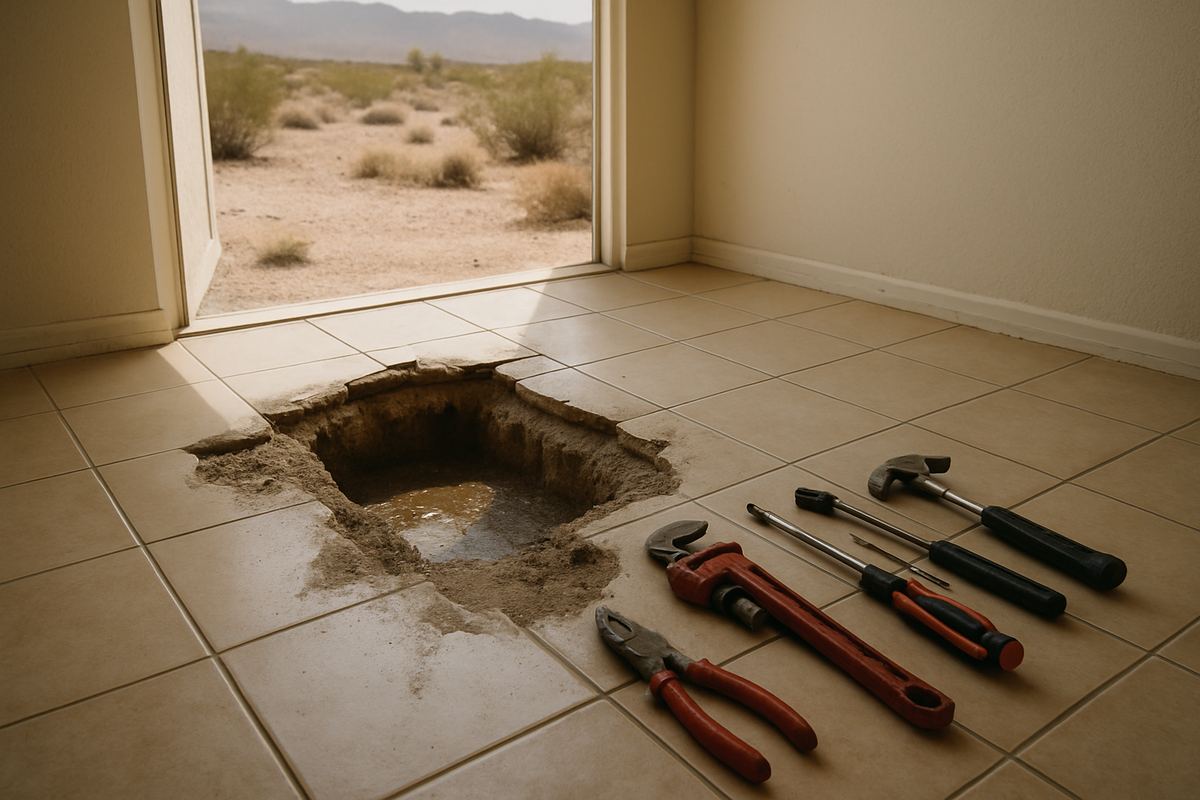
A water-damaged house can be perfectly fixable and still be hard to sell the usual way. The problem is less the damage itself than the uncertainty it creates for everyone in the transaction.
Inspectors, appraisers and lenders
Home inspectors are trained to flag moisture readings, stains and musty odors, and they usually recommend further evaluation rather than guessing at the cause. An appraiser who sees active damage may note it, and a lender may then ask for repairs before funding the loan. Every one of those steps adds time, and each new contractor visit can widen the scope. Sellers who have been through one or two collapsed escrows over a leak often decide they would rather sell to someone who does not need a loan.
A cash buyer working as-is removes those checkpoints. We still want to understand the house, and we still look closely at it, but our purchase does not depend on a lender signing off on its condition. That is the difference that matters most when the walls are wet and you need to move on.
What we need from you, and what we do not
- Describe the water event. When it happened, where it showed up and whether the source was found or fixed.
- Share any paperwork you already have. Plumber invoices, leak-detection notes, insurance letters or an inspection report help, but none are required.
- Let us see the house as it is. Leave the stained ceilings, warped baseboards and pulled carpet exactly where they are.
- Review a written cash offer and choose a closing date. The way our as-is purchase works explains title, escrow and timing.
Disclosing water damage when you sell
Nevada's seller disclosure form asks about known conditions, and past water intrusion and mold are among the items sellers commonly report. Selling as-is does not remove that duty, though there are exceptions in the law. We are not attorneys; if you are unsure what to disclose about past leaks or mold, ask a Nevada real estate attorney. Our frequently asked questions about selling as-is cover the paperwork in general terms.
Water problems are common in vacant property, too. A house that sat empty with a slow leak can also end up with break-in damage, which we buy on the vacant and vandalized house page.
Water damage across the valley
We see slab leaks and burst lines in older homes in East Las Vegas and in newer tract neighborhoods alike. In master-planned areas of Henderson, HOA rules can add a layer when exterior damage or a roof leak affects shared walls or common areas, so check your CC&Rs if that applies. Wherever the house is, the full list of conditions we take on is on our problem houses we buy page.
Common Questions About This
Do I need a mold test before I sell to you?
No. We buy the house without a mold test, a remediation certificate or a clearance report. If you already have test results or a contractor's estimate, sharing them helps us understand the house, but nothing needs to be ordered. Because there are no federal mold limits, test results can also be hard to interpret without a professional.
The leak is fixed but the damage is still there. Does that matter?
Not for us. Some owners stop the leak and run out of time or money before repairs. Others never find the source. Either way we buy the house in its current state. Knowing whether the source was fixed simply helps us understand what the next owner will need to do.
Can I sell while an insurance claim for water damage is open?
Usually, yes, but the claim should be addressed in writing as part of the sale. Your insurance adjuster can explain how a sale affects the claim under your policy, and an attorney can review anything that is disputed. We do not give insurance or legal advice.