Failing Roofs and Worn-Out Systems, No Replacements Required
Some houses are not damaged so much as used up. The roof is past its life, the plumbing is a type insurers dislike, the panel is a brand inspectors flag, and the AC is running on borrowed time.
- Any condition
- No repairs or clean-out
- Open insurance claims OK
- No agent commission
- Close when you choose
Roofs in desert heat
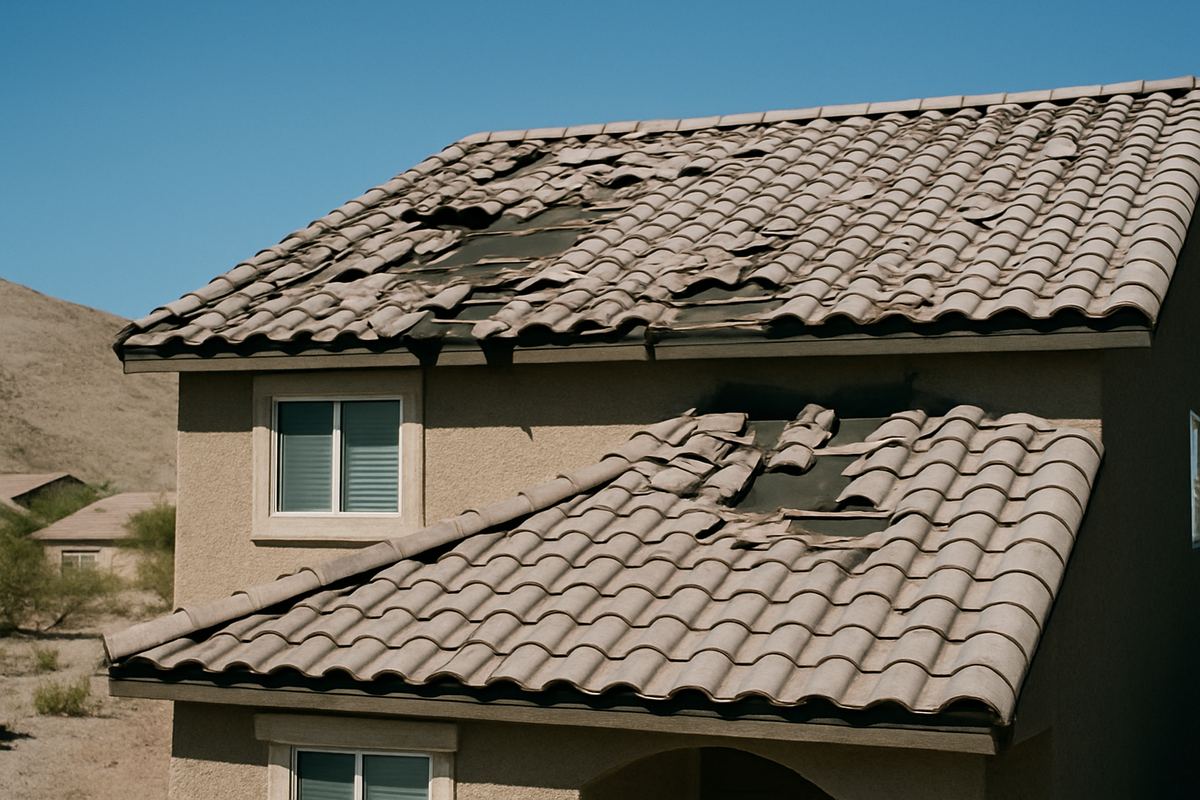
Tile and shingle roofs both take a beating in the valley's sun and summer temperatures. Many homes here have concrete tile roofs, and owners are often surprised to learn the tile is not the waterproof layer.
Tile that looks fine over underlayment that is not
Under the tile sits an underlayment, traditionally asphalt felt, that actually keeps water out. Heat and time can dry it out until it turns brittle and cracks. The tiles may look nearly new while the layer underneath has failed. Roofers often repair this by lifting the tile, replacing the underlayment and flashing, and relaying the tile. A licensed roofer, not a buyer, is the right person to diagnose a roof. When the roof has already let water in, our page on water damage, leaks and mold picks up the story.
Flat roofs and patio covers
Flat sections over additions and patio covers tend to collect water and wear quickly. If the addition itself was built without a permit, that is covered on our unpermitted additions and code violations page.
Polybutylene and other plumbing concerns
Polybutylene is a gray, flexible plastic supply pipe installed in many American homes from roughly 1978 to the mid-1990s. Reports of leaks surfaced through the 1980s, and the material became the subject of a large class action settlement in the 1990s. That settlement program has since closed, so owners today generally cannot look to it for help.
Why it still matters at sale time
Home inspectors usually call out polybutylene when they see it, and some insurance companies are reluctant to cover homes that still have it. A full repipe means opening walls and ceilings. If your house was built during that era and you are not sure what is in the walls, a licensed plumber can identify it. Galvanized steel supply lines in older homes and failing cast-iron or clay sewer lines raise similar questions.
Bad Shape? Send It Anyway.
Burnt, flooded, cracked or packed to the ceiling, we still want to hear about it. Give us the address and the short version of what's wrong, and we'll come look before we put a number in writing.
If typing it out is too much, the red TALK TO ALEX button gets you a person on the phone.
Why worn-out systems derail financed sales
A house can be structurally sound, clean and well kept and still fail a sale because of its systems. Lenders, insurers and inspectors all care about the same short list: the roof, the plumbing, the electrical service and the heating and cooling.
Insurance is often the first domino
A buyer who needs a mortgage also needs homeowner's insurance, and insurers may decline or limit coverage on homes with certain panels, older plumbing or a roof that is close to wearing out. If the buyer cannot insure the house, the lender will not fund the loan. Sellers then face a choice between replacing the item mid-escrow, offering a credit or starting over with another buyer who may run into the same wall.
A cash purchase does not depend on a lender, so those checkpoints fall away. We still want to know what is in the house, and we will look at it ourselves. You just do not have to solve it before you sell.
Electrical panels, wiring and AC
Certain older electrical panels, including Federal Pacific Electric panels with Stab-Lok breakers and some Zinsco panels, have reputations for breakers that may not trip as designed. Inspectors often flag them, and some insurers will not write a policy until they are replaced. A licensed electrician can tell you what you have and whether it is safe.
Air conditioning in a place where it is not optional
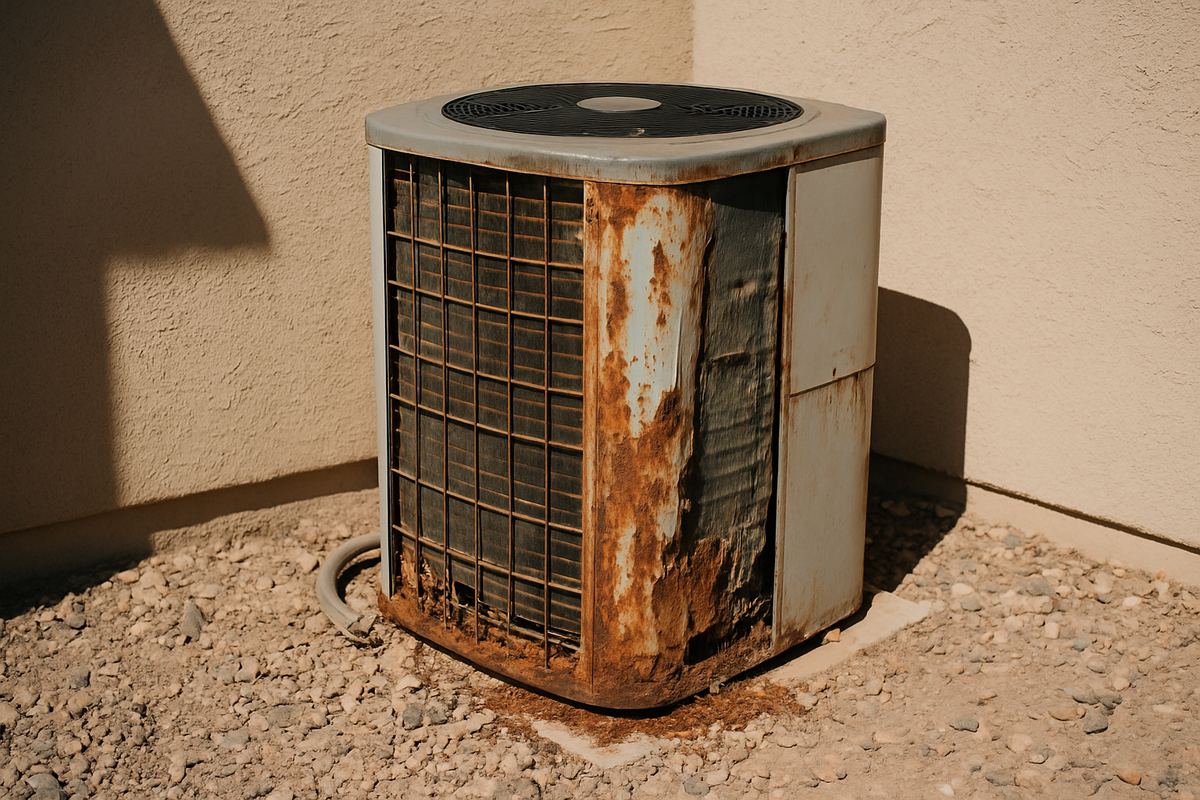
In Las Vegas summers, a failed AC system is more than an inconvenience, and buyers know it. An old unit, a leaking condenser, or a system using an older refrigerant can make a house hard to sell to someone who needs to move in right away. We buy with the AC working poorly, or not at all.
Systems also fail in combination. A roof leak can wet the wiring in an attic, a corroded water line can drip onto an electrical panel, and an AC condensate line that backs up can stain ceilings. When several systems are near the end of their lives at once, the repair list can feel endless, and the order in which things must be fixed becomes its own puzzle. A home inspector can lay out the full picture if you want one. For our purchase, you can hand over the house with every item still on the list, and we sort out the order of operations after closing.
How we buy a house that needs systems replaced
- List what you know. Roof age, plumbing type, panel brand and AC condition, even roughly.
- Share any inspection report. If a past buyer's inspection flagged items, that report is useful. If not, we do our own walk-through.
- Skip the replacements. No new roof, repipe, panel swap or AC unit is needed before closing.
- Choose your closing date after reviewing our written cash offer.
Our as-is buying process walks through title and escrow.
Older systems by neighborhood and era
The era a house was built often hints at what is inside it. Mid-century homes in parts of East Las Vegas may have original electrical and galvanized pipe, while 1980s and 1990s tract homes around the City of Las Vegas are the right age to check for polybutylene. Newer homes can still have roof and AC wear.
Known defects generally belong on Nevada's seller disclosure form, and selling as-is does not by itself remove that duty. Ask a Nevada attorney if you are unsure, or start with our as-is selling questions. The rest of the conditions we buy are on the problem houses overview.
Common Questions About This
Do I need to replace the roof before selling to you?
No. We buy houses with leaking, worn or partly failed roofs. You do not need a roof certification, a replacement or a patch job. If water has already come through, leave the stains and damage where they are. We account for the roof's condition when we make our written offer.
How do I know if my house has polybutylene pipe?
Polybutylene is usually gray, flexible plastic pipe, often visible near the water heater, under sinks or where the main line enters the house. Homes built from the late 1970s into the mid-1990s are the most likely to have it. A licensed plumber or home inspector can confirm. For a sale to us, you do not need to find out.
The inspector flagged my electrical panel. Is that a problem for you?
No. Panels such as Federal Pacific Stab-Lok and some Zinsco models are often flagged by inspectors and can create insurance issues for a loan buyer. We buy with the existing panel in place. If you still live there and the panel worries you on safety, a licensed electrician can evaluate it.