How Selling a Damaged House to Us Works
A short walk-through, a written cash offer, and a closing handled by a licensed Nevada title and escrow company on the date you choose.
- Any condition
- No repairs or clean-out
- Open insurance claims OK
- No agent commission
- Close when you choose
The Four Steps
- Tell us about the house. Give us the address and a plain description of what is wrong: the fire, the leak, the cracks, the clutter, the tenant who will not leave. Rough is fine. We would rather hear the bad news early.
- We walk the property. One of us visits at a time you set. If the house is not safe to enter, or you are out of state, we can start with photos, reports, and an exterior look.
- You get a written cash offer. Along with it we show how we got to that figure, including the repairs we expect and anything that adds risk. There is no obligation and no deadline pressure.
- Escrow opens and title is checked. If you accept, we open escrow with a Nevada title company, which researches ownership and liens and prepares the closing documents.
- You close on your date. You sign, the deed is recorded with the county, and the sale proceeds are released through escrow. Leave behind whatever you do not want.
If you have questions that are not answered below, the detailed seller FAQ covers fees, liens, belongings, and more.
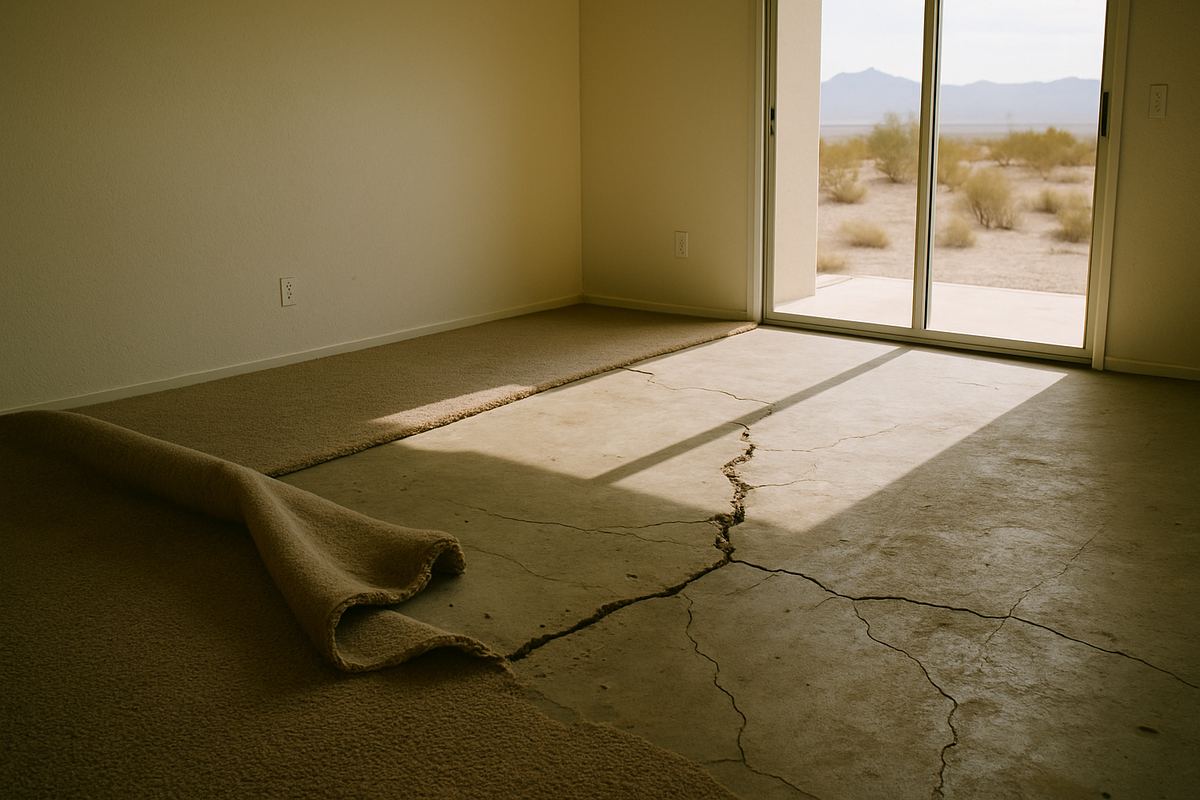
What We Check While Walking the House
Our visit is not a formal home inspection, and you do not need to prepare for it. We are trying to understand the scope of work so the offer reflects reality. Most walk-throughs are unhurried; we would rather spend extra time in the attic or the garage than miss something and have to revisit the number later. Feel free to point out anything you already know about, including old repairs that did not hold.
Structure and foundation
We look at slab cracks, doors that stick, sloping floors, and stucco separation, which can point to the soil and slab movement issues common in the valley. When something looks serious, we factor in an engineer's review.
Roof, plumbing, electrical, and cooling
Age and condition of the roof, the type of supply pipe, the electrical panel, and the air conditioning equipment tell us a lot about the cost of bringing the house back. When you are ready to start, send us the address and the short version.
Moisture, smoke, and contamination
Stains, odors, soft drywall, and soot patterns help us gauge hidden damage. We also note anything that suggests a need for specialized remediation.
Permits and additions
Converted garages and enclosed patios get a closer look because unpermitted additions and code cases can change what we will need to do after closing.
Bad Shape? Send It Anyway.
Burnt, flooded, cracked or packed to the ceiling, we still want to hear about it. Give us the address and the short version of what's wrong, and we'll come look before we put a number in writing.
If typing it out is too much, the red TALK TO ALEX button gets you a person on the phone.
When an Insurance Claim Is Still Open
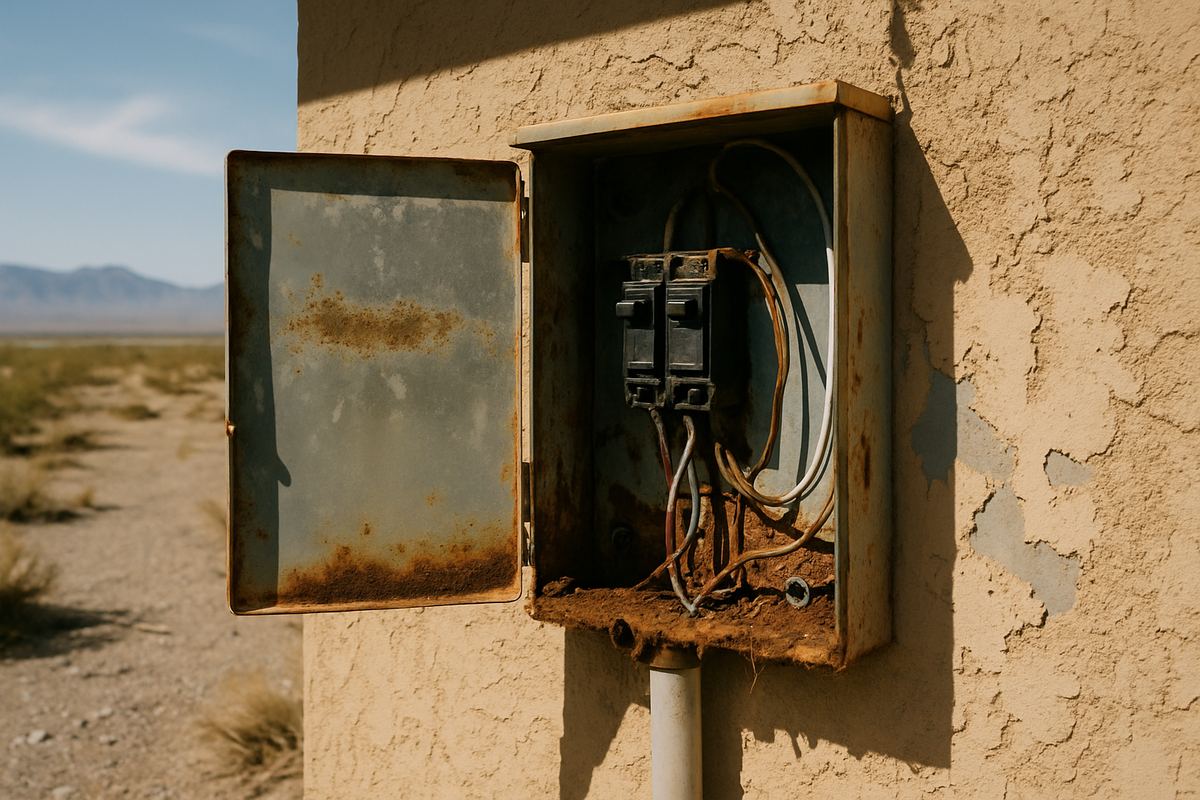
Plenty of owners call while a fire or water claim is still being worked through. That is not a reason to wait to talk with us, but it does need to be handled carefully.
Talk to your insurer and your mortgage lender
Claim payments may be tied to the property, to repairs, or to your lender, depending on your policy and loan. Before you agree to anything, ask your insurer how a sale would affect the claim and who would receive future payments. We are not insurance advisors, and the answer varies by policy.
We can structure the timing so you have room to sort that out, and we price the house in its current condition regardless of where the claim stands. Owners dealing with a house damaged by fire or smoke often find this part is the biggest question.
Keep your claim records together
Adjuster reports, repair estimates, and photos taken after the loss are useful to you and to us. They document what happened and help us understand damage that is no longer visible, such as wiring that was replaced or framing that was covered up. Share whatever you are comfortable sharing; it is not required to receive an offer.
How Title and Escrow Work Here
In Nevada, residential closings are typically handled by a title and escrow company. Escrow holds the money and documents, and the title side searches public records for liens, judgments, unpaid taxes, and other claims against the property, then issues title insurance.
Most liens get cleared out of the seller's proceeds at closing, using payoff figures the escrow officer requests. Mortgage balances, HOA amounts, and some contractor or municipal liens commonly show up on houses with a hard history. After the last signature, escrow sends the deed to the Clark County Recorder for recording. If a lien looks larger than the house can cover, we will tell you early rather than at the closing table. Before signing, you receive a settlement statement listing every payoff, credit, and charge, so you can see exactly what you will receive. You are welcome to have your own attorney review that statement and the purchase agreement. Our background on our team and the way we buy problem houses explains why we prefer plain answers.
Selling a house in a particular part of town? Our pages on buying in Las Vegas proper and Spring Valley homes describe the property types we see most there.
Common Questions About This
Do I need to be there for the walk-through?
Not necessarily. Many owners meet us, but if you live out of state or would rather not return to the house, we can arrange access through a relative, a property manager, or a lockbox. If the house is unsafe to enter, we can start with photos and any reports you have, then confirm conditions later before closing.
Can I sell while my insurance claim is open?
Often, yes, but check with your insurer and mortgage lender first. Your policy and loan terms determine who receives claim payments and whether a sale changes anything. We are not insurance advisors. Once you understand how your claim will be handled, we can set a closing date that gives you room to finish that process.
Who handles the closing paperwork?
A licensed Nevada title and escrow company. It holds funds, researches title, requests lien payoffs, prepares documents, and records the deed with the county. You will receive a settlement statement that shows every amount in and out before you sign, and you are welcome to have your own attorney review it.
What if title turns up a lien I did not know about?
It happens with older and distressed houses. The escrow officer will request a payoff amount, and in most cases liens get cleared out of the seller's proceeds at closing. If a lien is disputed or larger than expected, we discuss options with you openly and adjust the timeline as needed rather than pushing you to close.