When a Vacant House Gets Broken Into or Occupied
Vacant homes attract trouble. Copper gets stripped, windows get broken, walls get tagged, and sometimes people move in who have no right to be there.
- Any condition
- No repairs or clean-out
- Open insurance claims OK
- No agent commission
- Close when you choose
The damage a vacant house collects
A house can sit empty for many reasons: an estate in probate, an owner who moved for work, a rental between tenants, a house damaged by fire or water that was never repaired. The longer it sits, the more it attracts.
Theft and stripping
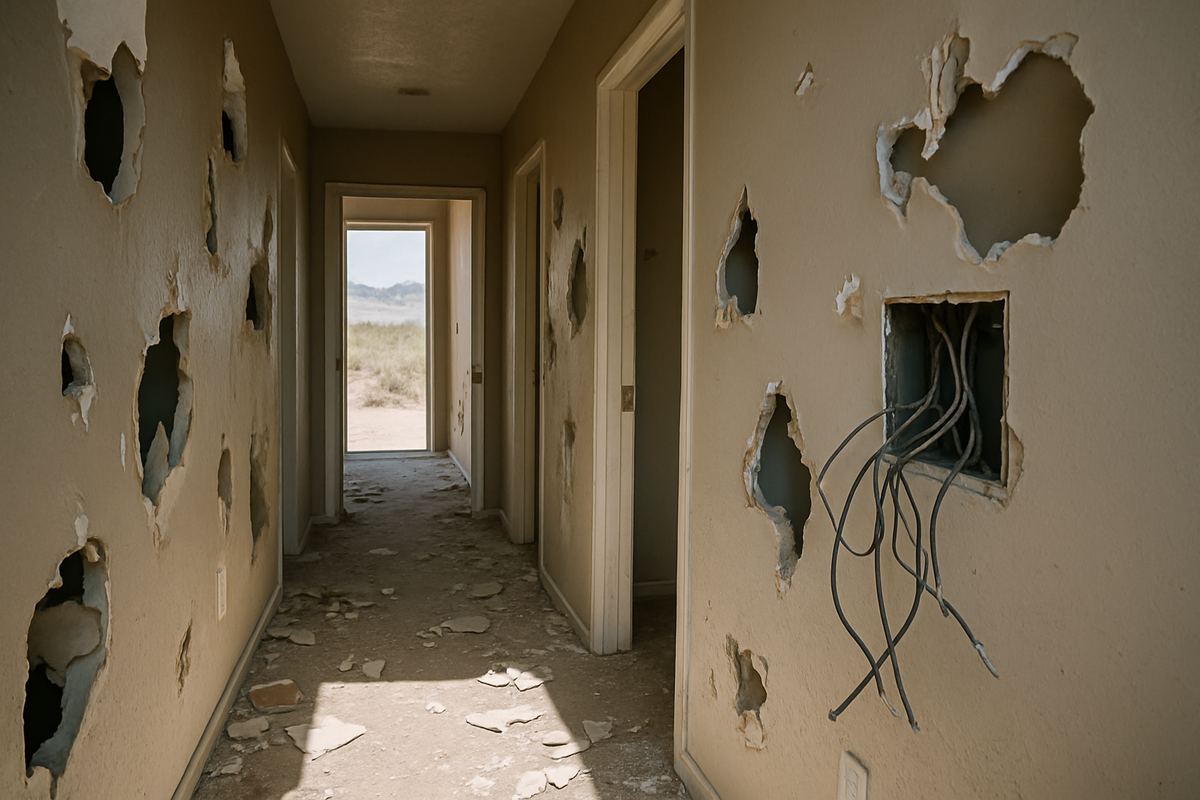
Thieves target copper wiring and pipe, water heaters, AC condensers, appliances and fixtures. A stripped house may have no working plumbing or power, which makes it hard to show and impossible to finance. A house left this way overlaps with what we describe on the roof, plumbing and electrical systems page.
Vandalism and break-in damage
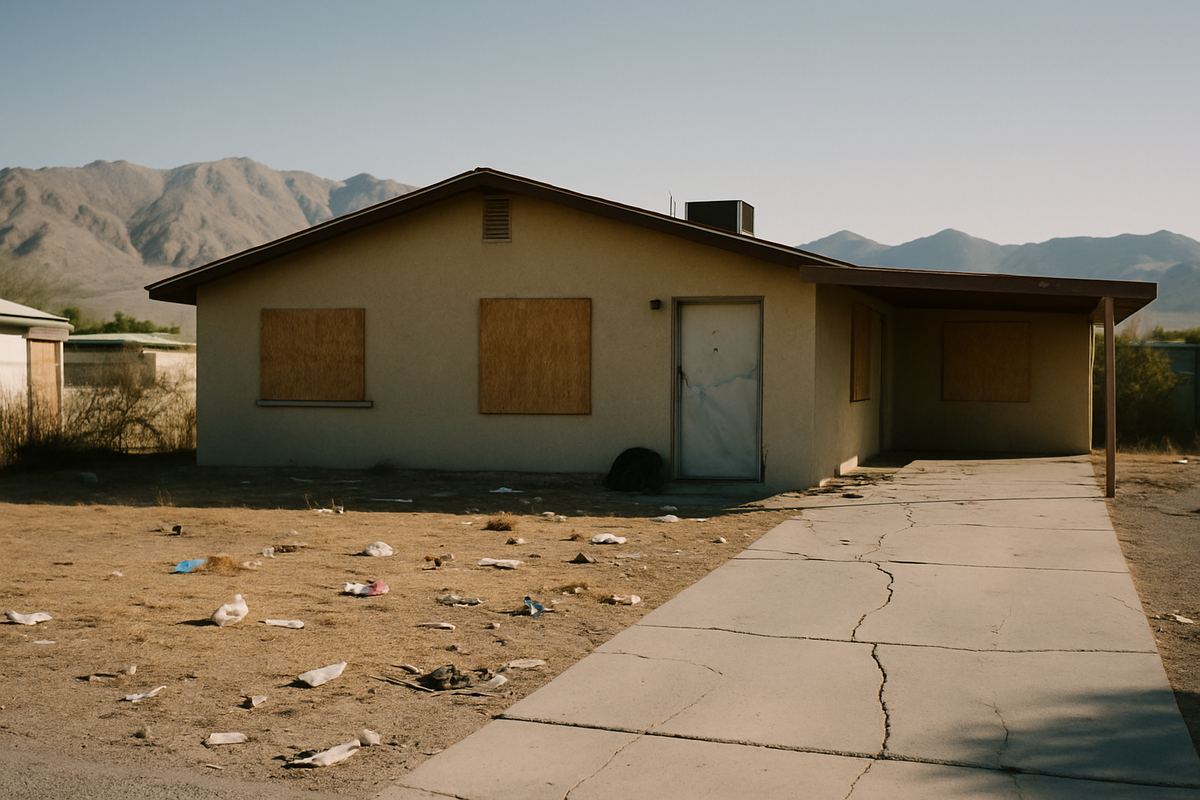
Broken windows, kicked-in doors, graffiti and trash are common. Water left running or a broken supply line can quietly flood a house that nobody is checking, which is why vacant homes often show up on our water damage and mold page as well. Fires set in empty houses are a risk too, and we buy fire-damaged homes as well.
Owners are often caught off guard by how fast this happens. A house can go from quiet to damaged in a short time once word gets around that no one is living there. If you are managing a vacant house from out of state, or handling one for a relative, the damage is not a reflection on you. It is one of the most common reasons people decide that selling the property as it stands is simpler than trying to restore it from a distance.
Owners who discover damage usually want to know two things first: whether the house is still safe to enter, and whether it can still be sold. If there are signs someone is inside, stay out and call police. If the house is empty, document what you see before anything is moved.
Squatters and unlawful occupants: start with the authorities
If someone is living in your property without permission, do not try to remove them yourself, change locks on an occupied house, shut off utilities or confront anyone. Those steps can put you at physical and legal risk. This is a high-level overview only, not legal advice, and the process depends on the facts.
Criminal and civil paths in Nevada
Nevada law treats forcibly entering a vacant dwelling to live there, and certain kinds of unlawful occupancy, as crimes, so the local police may be a starting point. In the City of Las Vegas and unincorporated Clark County that is generally the Las Vegas Metropolitan Police Department, while Henderson and North Las Vegas have their own police departments. Owners can also use a civil process in which they file an affidavit of complaint with the justice court for the township where the property sits. The occupant is given notice and a short window to respond, and if the court orders removal, the sheriff or constable carries it out. The procedure appears in the Nevada Revised Statutes, Chapter 40.
Who to call
A Nevada landlord-tenant or real estate attorney can tell you whether the person is a squatter, a former tenant or a guest, because each is handled differently. Your property insurer, through your insurance adjuster, can tell you whether vandalism on a vacant house is covered; many policies limit coverage after a home has been vacant for a period of time, so read yours.
Bad Shape? Send It Anyway.
Burnt, flooded, cracked or packed to the ceiling, we still want to hear about it. Give us the address and the short version of what's wrong, and we'll come look before we put a number in writing.
If typing it out is too much, the red TALK TO ALEX button gets you a person on the phone.
Why vacant-house damage piles up
Owners of vacant houses are often far away, busy with an estate, or overwhelmed by another problem with the property. Small issues compound when no one is checking. A single broken window lets in weather and invites the next visitor. A missing water heater may mean an open line. Trash in the yard can signal that the house is unwatched.
Keeping an eye on an empty house
If the house will sit for a while before it sells, a neighbor, relative or property manager who drives by regularly can catch problems early. Keeping the yard from looking abandoned, collecting mail and keeping openings secured all help. None of that is required for a sale to us, but it can limit how much more damage the house takes in the meantime. Whatever condition it is in when you are ready, we will look at it as it stands.
Selling once the house is yours to sell
We buy houses with vandalism and squatter damage in whatever state they are left. If someone is still occupying the property, we will talk with you, but the removal itself belongs to the courts and law enforcement.
- Report and document. File any police report, keep the report number and take photos of the damage.
- Resolve occupancy through proper channels. Work with law enforcement, the justice court or an attorney if anyone is living there.
- Secure what you can safely. Boarding openings on a vacant house helps limit further damage.
- Get our written as-is offer. No cleanup, trash removal or repairs are needed first.
- Close on the date you choose. The cash purchase process covers title and escrow.
Code notices on a vacant property
Open windows, trash, graffiti and dead landscaping can draw neighbor complaints and code enforcement notices. Which agency sends them depends on the jurisdiction. Owners in North Las Vegas deal with that city's code enforcement division, while homes in Enterprise fall under Clark County. Open cases can usually be addressed at closing; our page on code violations and open cases explains more.
Even when you sell as-is, known vandalism or squatter damage generally belongs on Nevada's seller disclosure form, with some exceptions. Our as-is FAQ covers the basics, and the full list of conditions we buy is on the problem properties hub.
Common Questions About This
Can you remove the squatters for me?
No. Removing an unlawful occupant is a job for law enforcement and the courts, and a private buyer should not attempt it. In Nevada, owners can contact police and can also use a justice court affidavit process to seek removal by the sheriff or constable. An attorney can guide you. Once the property is clear, or while you are working on it, we can talk about buying it.
Does it matter that thieves stripped the copper and appliances?
Not for us. A house with no working plumbing, no power, missing fixtures or no water heater can still be sold to a cash buyer. That condition usually rules out a buyer who needs a loan. We evaluate the vandalized house in the shape it is in, and we do not ask you to replace anything before closing.
Should I file an insurance claim for vandalism before I sell?
That is a question for your insurance adjuster and, if needed, an attorney. Many homeowner policies limit coverage after a home has been vacant for a set period, so the policy wording matters. Whatever you decide about the claim, we can buy the house, and how the claim is handled should be stated in writing in the sale terms.