Frequently Asked Questions About Selling As-Is
The questions below come up again and again with owners of damaged houses. If your question about the damage is missing, put it to us directly.
- Any condition
- No repairs or clean-out
- Open insurance claims OK
- No agent commission
- Close when you choose
Money and Paperwork
Costs at closing
There is no agent commission when you sell directly to us. A Nevada title and escrow company processes the closing items and itemizes them on a settlement statement. The explanation of title and escrow in our process covers who handles what.
Disclosure
Selling as-is generally does not erase your duty to disclose known defects under Nevada's seller disclosure statute. Check your specific case with an attorney.
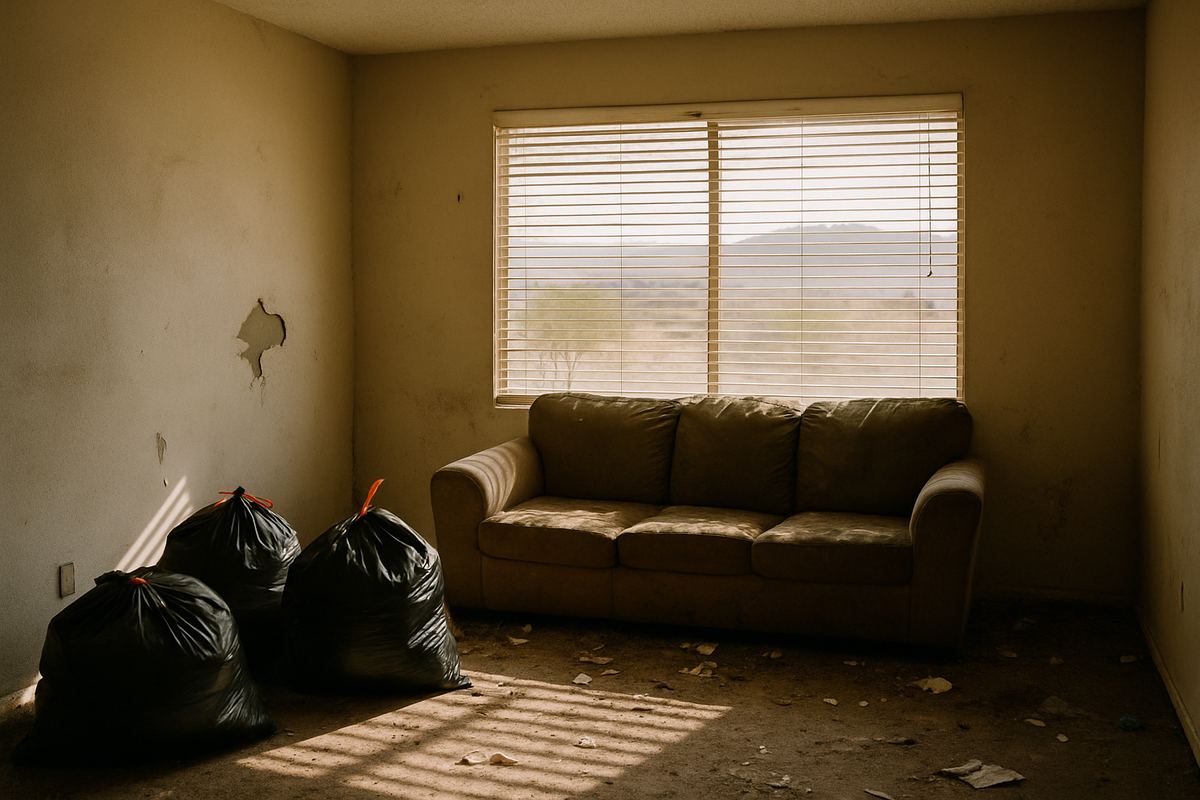
The Condition of the House
Fire, smoke, and red tags
We regularly evaluate a house after a fire, including red-tagged properties. Entry restrictions affect how we view it, not whether we will consider it.
Mold and moisture
Visible growth, musty odors, and past leaks are priced in. Details are on the page about selling a house with water damage or mold.
Systems that have failed
Dead air conditioning, old panels, and failing roofs are common. Our page on worn-out roofs and major home systems goes deeper.
Bad Shape? Send It Anyway.
Burnt, flooded, cracked or packed to the ceiling, we still want to hear about it. Give us the address and the short version of what's wrong, and we'll come look before we put a number in writing.
If typing it out is too much, the red TALK TO ALEX button gets you a person on the phone.
People and Property Left Behind
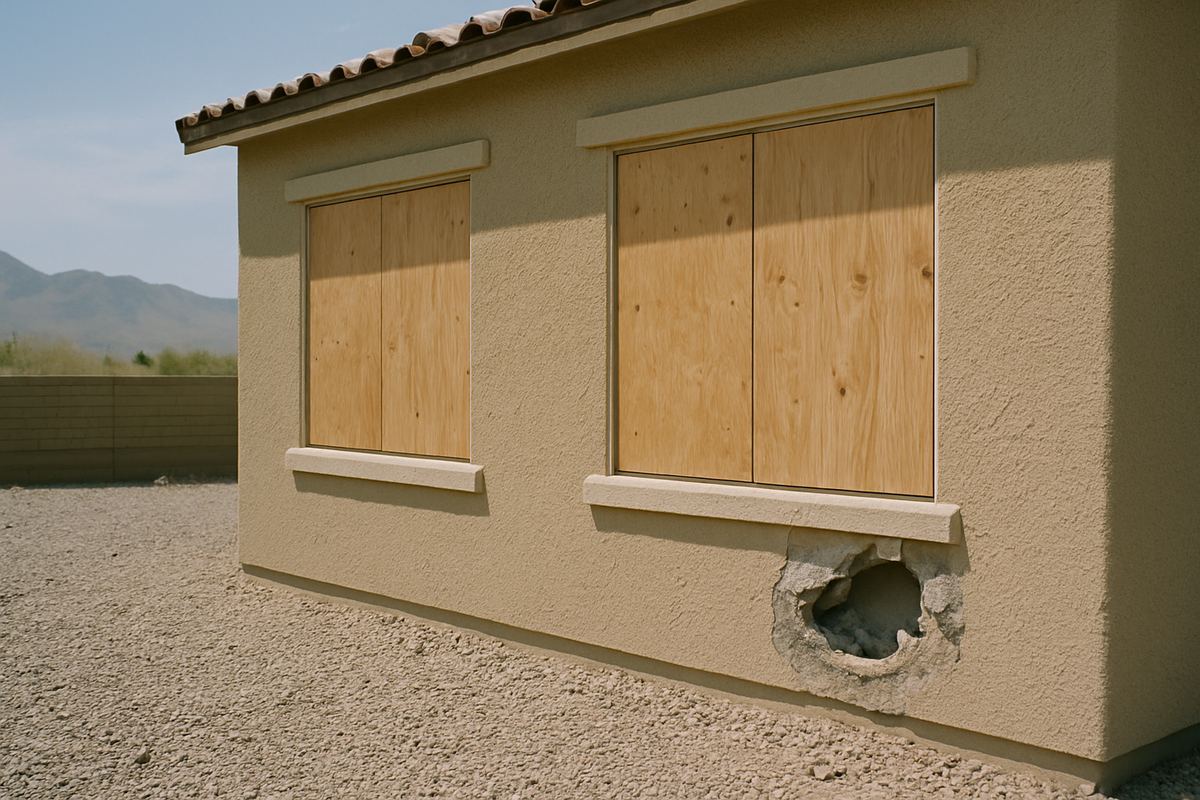
Belongings and trash
Pull out the belongings that matter to you; everything else can stay behind in the house. A full clean-out of a hoarded home is our job after closing.
Tenants and unauthorized occupants
Occupied houses can be bought, but removal of anyone follows Nevada law. Our page on houses hit by squatters or vandalism explains our role.
Timing and Trust
You set the closing date. To verify any buyer, including us, look for a written agreement, a neutral title company, and no request for upfront money. Read how we work with sellers, browse the Las Vegas valley areas where we buy, or start from our main page on as-is cash sales.
Straight Answers
Are there any fees to sell my house to you?
There is no agent commission and no fee to request an offer or have us walk the property. Ordinary closing items, such as escrow charges or lien payoffs, are handled by the title and escrow company and shown on a settlement statement. We explain who pays which items before you sign anything, so the figures at closing match what we discussed.
Does selling as-is mean I do not have to disclose defects?
Generally, no. Nevada's disclosure law for residential property usually requires the seller to describe known defects on a written form, and an as-is clause by itself typically does not remove that duty. Certain transfers, like some estate or foreclosure sales, are handled differently. We are not lawyers; confirm your situation with a Nevada real estate attorney.
What should I disclose if I do not know much about the house?
Disclosure is based on what you actually know. If you inherited the house or rarely visited it, it is fine to say you are unaware of certain conditions rather than guess. Be honest about anything you do know, including past leaks, fires, or repairs. A Nevada attorney can help you complete the form correctly for your circumstances.
Can I sell while an insurance claim is still open?
Often you can, but talk with your insurer and mortgage lender first. Depending on your policy and loan, claim payments may go to you, your lender, or toward repairs, and a sale could affect that. We are not insurance advisors. Once you know how your claim will be handled, we can set a closing date that leaves room to finish it.
Will you buy a red-tagged or condemned house?
We will consider it. A red tag or unsafe-structure notice usually limits who can enter and may require permits or approvals before work. It does not automatically prevent a sale. We may need to evaluate from outside, from reports, or with permission from the agency involved. Check with the city or county office that issued the notice about what is allowed.
Do you buy houses with mold?
Yes. Mold from slab leaks, roof leaks, or burst pipes is one of the most common conditions we see. You do not need to test for it or remediate before selling. We factor likely remediation into our offer. If you already have a mold report or remediation estimate, share it, since it helps us understand the extent faster.
Can I leave furniture, trash, and belongings behind?
Yes. Take anything you want to keep, including documents, photos, and items with family value, and leave the rest. Removal and disposal are on us after closing. If the house is heavily packed, we suggest walking through it with a family member first so nothing important is lost before the clean-out begins.
What if there are tenants in the house?
We can buy a house with tenants in place. Existing leases and Nevada landlord-tenant rules still apply, so tenants are not simply asked to leave at closing. Let us know about any lease, deposit, or unpaid rent up front so it can be addressed in the purchase agreement. A Nevada attorney can advise you on notice requirements.
What if people are living there without permission?
Contact law enforcement and, if needed, a Nevada attorney. Nevada has a specific process for unlawful occupants, and removal is a matter for the courts and police, not a buyer. We can still discuss buying the house, and we will explain how occupancy affects timing and price. Do not try to force anyone out yourself.
Will you buy a house with liens against it?
Usually. Mortgage balances, HOA amounts, tax liens, and contractor or municipal liens are common on distressed houses. The title company identifies them and requests payoff figures, and most are paid from sale proceeds at closing. If total liens exceed what the house can support, we will tell you early and talk through options.
The utilities are shut off. Is that a problem?
No. Many of the houses we buy have no power, water, or gas. We can often evaluate the property in daylight without utilities. If we need to test something, we will discuss whether a temporary reconnection makes sense. You do not need to restore service or pay overdue utility balances just so we can make an offer.
How long does the process take?
The closing date is set by you. Since our offer is cash, no mortgage approval holds things up. The main timing factors are title work, lien payoffs, probate or estate steps if they apply, and your own moving plans. We cannot guarantee a set count of days on a problem house, but we aim for your preferred date and flag delays as soon as we see them.
What if the house is part of an estate or probate?
We can work with personal representatives and heirs. Who can sign and when depends on the estate's status and any court orders, so speak with the estate's attorney about authority to sell. Some estate sales are treated differently under Nevada's disclosure law. We can set a closing date that fits the estate timeline.
Do you buy houses with unpermitted additions or open code cases?
Yes. Garage conversions, patio enclosures, and other work done without permits are common. So are open code enforcement cases with the city or county. We factor the cost of permitting, correction, or removal into our offer, and you do not need to fix anything before selling. Gather any notices you have received so we can review them.
How do I verify that a cash buyer is legitimate?
Ask for a written purchase agreement, insist on a neutral licensed title and escrow company you can contact independently, and never send money upfront to a buyer. Look up the company with the Nevada Secretary of State, and have an attorney review the contract if anything is unclear. A legitimate buyer will welcome these steps.
Is your offer an obligation for me to sell?
No. Requesting an offer and having us walk the property does not commit you to anything. You are free to compare our number with listing, selling to someone else, or keeping the house. Nothing is binding until you sign a purchase agreement, and we encourage you to read it carefully or have an attorney review it.