Fire Damage
Burned, smoke-filled or soaked by the hoses. We look at fire-damaged homes in whatever condition the fire and the fire crew left them.
Fire, water, mold, a cracked slab, a packed garage, or work that was never permitted: we make cash offers on houses that will not pass a normal inspection, and you never lift a hammer.
Most people who reach us already know the answer they would get from a traditional sale. The roof leaks into the back bedroom, the slab has a crack you can follow with your finger, or the garage has been packed floor to ceiling for years. We are a direct cash buyer in the Las Vegas valley, and the only houses we pursue are ones with real physical problems. That focus is the whole point of the business, not a side line.
We take the problem house in whatever condition the damage left it. You do not repair, paint, haul, or deep-clean anything before closing. The broad list of conditions we take on is laid out on our overview of the house problems we buy, and it runs from smoke-stained interiors to additions nobody ever permitted.
Owners who expect a buyer's inspector to find serious trouble, heirs who inherited a property they have never been inside, landlords left with a trashed rental, and anyone who simply does not have the money or the time to bring a damaged house up to market standard.
If your home has no serious damage and you can wait out a listing, an agent will usually put more money in your pocket. We would rather tell you that up front than talk you into a sale that does not fit.
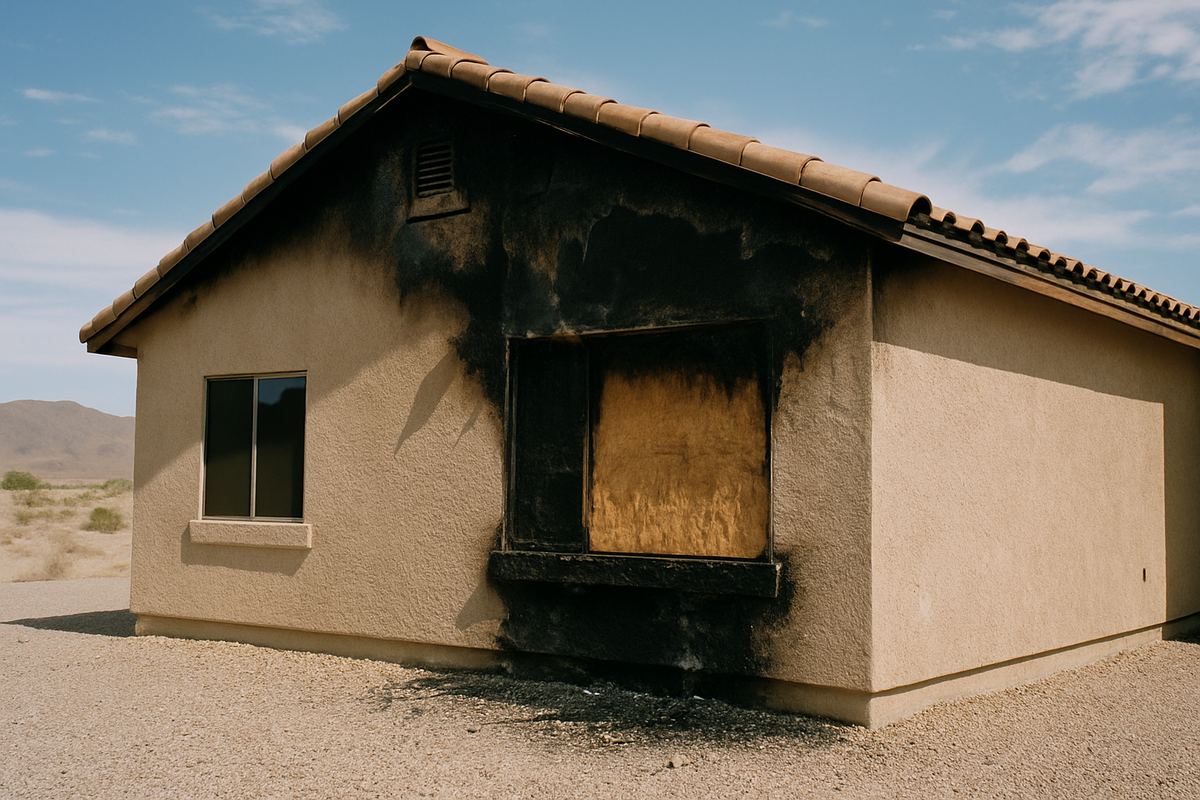
If the house has one of these, it is exactly the kind we look for.
Burned, smoke-filled or soaked by the hoses. We look at fire-damaged homes in whatever condition the fire and the fire crew left them.
Slab leaks, burst supply lines, ceiling stains and mold behind the drywall. Sell without opening walls or hiring a remediation crew first.
Stair-step cracks, doors that won't latch, floors that slope. Foundation trouble scares off loan buyers. It is a normal part of our work.
Rooms you cannot walk through, a garage stacked to the rafters, years of belongings. Sell it full and keep only what matters to you.
Garage bedroom, walled-in patio, open notice from the city or county. We buy houses with unpermitted work and active code cases.
Leaking roof, gray plastic pipe, a panel the inspector flagged, an AC unit near the end. We buy without replacing any of it.
Broken windows, stripped wiring, graffiti, or someone living there without permission. We buy vacant homes after the damage is done.
An as-is sale means the buyer accepts the house in its present condition and the seller does not promise to fix anything. It does not mean the seller can stay quiet about known problems. Nevada's seller disclosure law in NRS Chapter 113 generally requires anyone selling a residential property to fill out a written disclosure form describing defects the seller is aware of and to deliver it before the sale closes. As we read the statute, an as-is clause on its own does not cancel that duty, and certain transfers, such as some estate and foreclosure sales, are treated differently.
The statute is framed around conditions the seller actually knows about; it does not require you to hire an inspector to discover problems you have never heard of. Write down what you know honestly. A buyer like us expects the list to be long, and a long list does not scare us off.
Nothing on this site is legal advice. If your situation involves an estate, a divorce, a trust, or a dispute, a Nevada real estate attorney can tell you exactly which rules apply to you. Your problem house can wait while you get that answer; we are in no rush.
Burnt, flooded, cracked or packed to the ceiling, we still want to hear about it. Give us the address and the short version of what's wrong, and we'll come look before we put a number in writing.
If typing it out is too much, the red TALK TO ALEX button gets you a person on the phone.
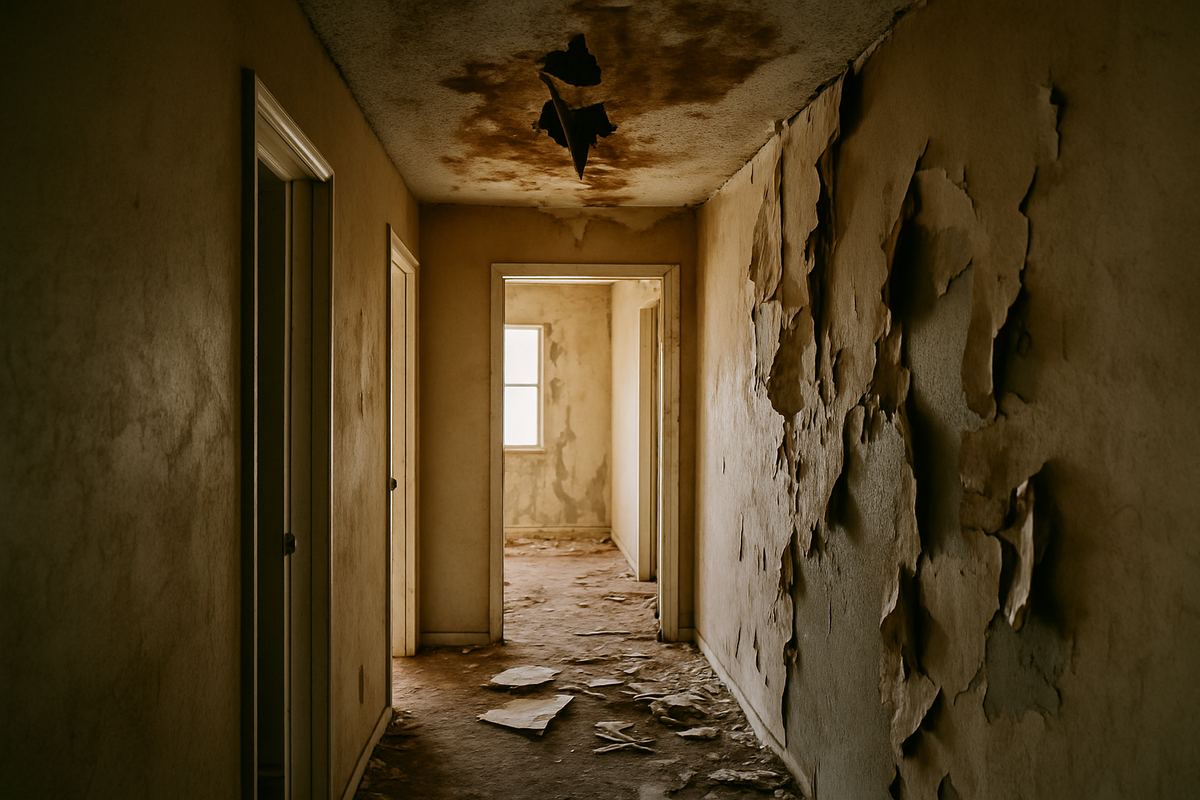
A house with major defects does not just sell for less; it often struggles to sell at all through the normal route. The reasons are mostly about financing and inspections rather than buyer taste.
Most retail buyers use a mortgage, and the lender orders an appraisal. When the appraiser notes an active roof leak, exposed wiring, missing flooring, or a kitchen that has been gutted after water damage and mold growth, the loan can be conditioned on repairs or declined outright. Government-backed loans tend to be stricter still about health and safety items.
Even a buyer who loves the location will usually bring an inspector. A report that flags slab cracks and foundation movement or a failing electrical panel tends to produce a repair request, a price cut, or a cancelled contract, and each fall-through costs you more weeks of utilities, insurance, and taxes.
Some buyers discover they cannot easily insure an older roof or outdated systems, which pushes the deal back into limbo. Problems with aging roofs, polybutylene pipe, and old panels are among the most common reasons we hear about.
We do not use a secret formula, and we will not pretend a damaged house is worth what a remodeled one down the street sold for. Our offer comes from walking the property and thinking through what it will take to make it livable and sellable again.
We explain each of those pieces when we present an offer, and you are free to compare it with any other option. The full sequence, from first call to recorded deed, is on the step-by-step page on how our process works.
Older block homes and newer stucco tracts each come with their own typical problems. These are the parts of the valley we cover.
Wartime frame houses, mid-century ranches and boom-era tracts inside the city limits, and what to expect when one of them needs more than you can fix.
From 1950s ranches south of Craig Road to Aliante's newer streets, how North Las Vegas houses wear out and who enforces the code there.
Sunrise Manor, Whitney and the Boulder Highway corridor: ranch homes and manufactured housing from the 1950s onward, mostly under county jurisdiction.
Henderson's housing spans the wartime townsite, Green Valley's early master plan and newer hillside communities, each with its own typical repair list.
Tract homes west of the Strip built from the 1970s through the 1990s, many now due for new pipes, roofs and cooling all at once.
Southwest valley homes from Southern Highlands to Mountain's Edge, now old enough for original roofs, AC and plumbing to start giving out.
Many owners apologize before they open the front door. Please do not. Houses get into rough shape for ordinary human reasons: illness, a death in the family, a job loss, a tenant who stopped paying, a pipe that burst while nobody was home. Our job is to evaluate the building, not the people who lived in it.
What you see as an embarrassment, we see as a set of tasks. Soot can be cleaned or the drywall replaced. Wet insulation comes out. A cracked slab gets an engineer and a repair plan. The more honestly you describe the house, the more accurate our first conversation will be, and the fewer surprises either of us faces later. You do not need to tidy up, air it out, or hide anything before we arrive.
You can leave furniture, trash, and personal items behind once you have taken what matters to you. A hoarder house or heavy clean-out situation is a normal part of what we evaluate, and it is handled with discretion.
Vacant homes attract trouble. If yours has been stripped, tagged, or occupied by people with no right to be there, our page on vandalized houses and squatter damage covers what we can buy and why removal itself belongs with law enforcement and the courts.
Garage conversions, patio enclosures, and other unpermitted work and open code violations are things we price into the offer instead of demanding you fix first.
We are local to Nevada and buy throughout the Las Vegas valley. Each part of town has its own mix of housing eras and typical problems, and our full map of the service areas we cover walks through them.
Older block homes in East Las Vegas neighborhoods often come with original plumbing and electrical. Tract homes in North Las Vegas subdivisions and Henderson communities can show stucco cracking, roof wear, and slab movement as they age. We also buy across the City of Las Vegas, Spring Valley, and Enterprise.
We will not show you invented reviews or claim a closing record we cannot prove. Here is what we can stand behind.
No repairs, no cleaning, no staging, no showings to strangers. You do not spend money on a house you are trying to leave.
Because you are selling directly to us, there is no listing agent and no commission to pay. Normal closing items handled through escrow are explained before you sign anything, and our answers to questions damaged-house sellers ask explain fees in plain language.
We pay cash, so there is no buyer loan to wait on. You pick a date that works for your move, your family, or your probate timeline, and we work toward it. If you want to know more about who we are before you talk to us, read the story behind our as-is buying approach.
No. We buy the property in the condition it is in on the day we walk it. You do not need to repair damage, replace systems, pull permits, or clean. Our offer already accounts for the work we expect to do after closing, so there is no list of required repairs coming back to you later in the process.
In most Nevada residential sales, yes. The state's disclosure law generally requires a seller to describe known defects on a written form, and an as-is clause by itself does not usually remove that obligation. Some transfers, such as certain estate sales, are treated differently. We are not attorneys, so confirm your specific situation with a Nevada real estate lawyer.
That is exactly the kind of property we focus on. We pay cash, so a failed appraisal, a lender's repair condition, or a scary inspection report does not block our purchase. Share any reports you have; they help us understand the house faster, though we will still walk it ourselves before making a firm offer.
Selling the damaged house straight to us leaves no listing agent in the deal, so there is no listing agent's commission to cover. There may be ordinary closing items that a Nevada title and escrow company processes, and we explain who pays what before you sign a purchase agreement. You will see the numbers in writing, not as a surprise at the closing table.
The closing date is yours to set. Because we are not waiting on a mortgage, the main timing factors are title work, any liens that need payoff figures, and your own plans. We cannot guarantee a set count of days on a problem house, but we schedule toward your preferred date and tell you right away if title raises anything that could affect it.