Fire Damage
Burned, smoke-filled or soaked by the hoses. We look at fire-damaged homes in whatever condition the fire and the fire crew left them.
We focus on houses with real physical problems, the kind that stop a normal sale at the inspection or the appraisal. If one of these describes your house, start with its page.
Most buyers need a loan, and most loans depend on an inspection and an appraisal. Major damage tends to fail one or both. A buyer's lender may require repairs before closing, an appraiser may note the condition, or an inspector's report may simply scare the buyer away. Owners then face a choice: pay for repairs, keep cutting the price or sell to someone who buys the house as it is.
We are that last option. We pay cash, take the damage without repairs or cleaning, and let you pick the closing date. Selling straight to us also means no listing agent's commission. How that works from first conversation to closing is explained on our how it works page.
We also understand that a damaged house usually comes with a deadline or a complication: an estate to settle, a move already scheduled, an insurance claim that dragged on or a rental that cannot be rented. You do not need to explain all of it to get a straight answer. Tell us what is wrong with the house, what you already know and when you would like to be done, and we will tell you plainly whether it is a fit.
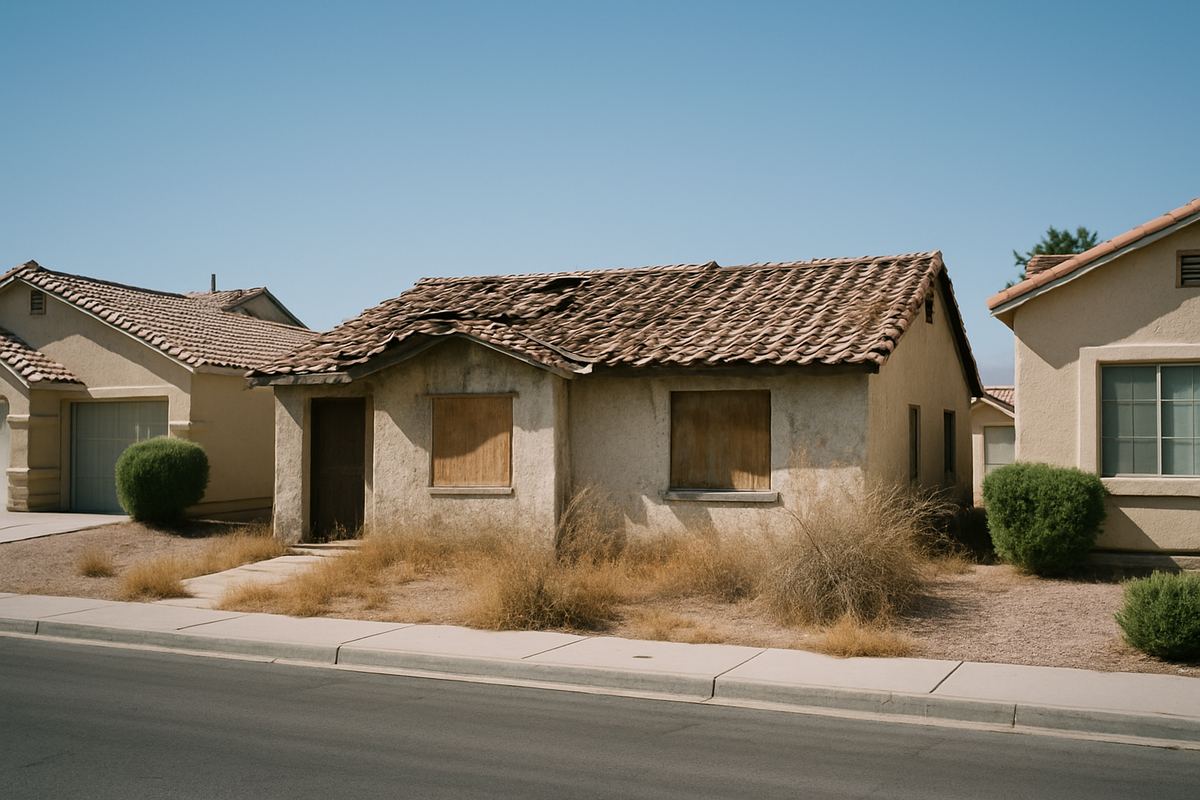
Burned, smoke-filled or soaked by the hoses. We look at fire-damaged homes in whatever condition the fire and the fire crew left them.
Slab leaks, burst supply lines, ceiling stains and mold behind the drywall. Sell without opening walls or hiring a remediation crew first.
Stair-step cracks, doors that won't latch, floors that slope. Foundation trouble scares off loan buyers. It is a normal part of our work.
Rooms you cannot walk through, a garage stacked to the rafters, years of belongings. Sell it full and keep only what matters to you.
Garage bedroom, walled-in patio, open notice from the city or county. We buy houses with unpermitted work and active code cases.
Leaking roof, gray plastic pipe, a panel the inspector flagged, an AC unit near the end. We buy without replacing any of it.
Broken windows, stripped wiring, graffiti, or someone living there without permission. We buy vacant homes after the damage is done.
Fire damage reaches well past the burned room. Smoke travels through ducts and attic space, and water from firefighting soaks the rest. Our fire-damaged house page covers insurance claim status, board-up and what a posted unsafe notice can mean.
Slab leaks, burst supply lines and monsoon roof leaks can all lead to rot and mold. The water damage and mold page explains why the source matters and what remediation involves, without asking you to do any of it.
Empty houses get broken into, stripped and sometimes occupied. Our vandalized or squatter-damaged house page explains, at a high level, how Nevada handles unlawful occupants and why removal belongs to the authorities.
Burnt, flooded, cracked or packed to the ceiling, we still want to hear about it. Give us the address and the short version of what's wrong, and we'll come look before we put a number in writing.
If typing it out is too much, the red TALK TO ALEX button gets you a person on the phone.
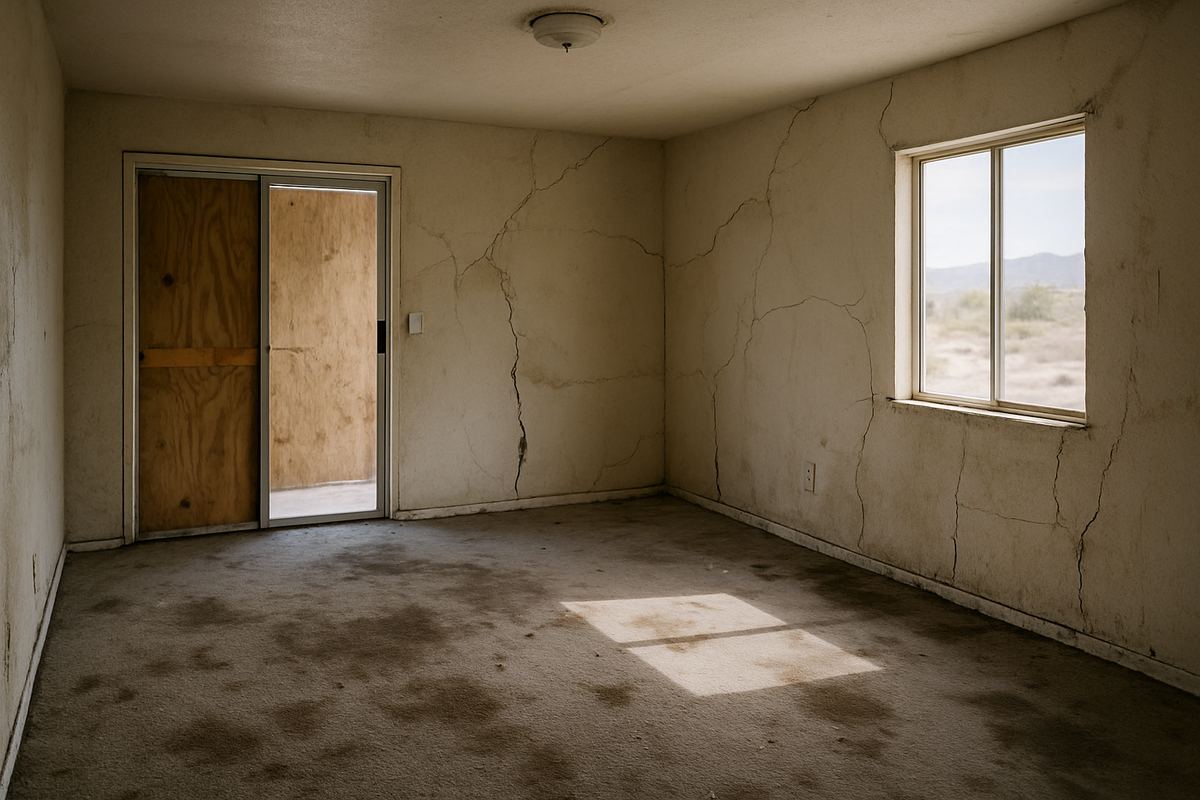
Some valley soils swell and shrink with moisture, and caliche can support a foundation unevenly. Our foundation problems page describes common signs and when a structural engineer usually gets involved.
Worn tile underlayment, polybutylene supply pipe, flagged electrical panels and failing AC units can make a house hard to insure or finance. The roof and major systems page covers each one.
A house filled with years of belongings is often a family matter before it is a property matter. Our hoarder house page covers authority to sell, biohazard safety and selling with the contents still inside.
Garage conversions, enclosed patios and open notices from the city or county can derail a sale late in escrow. See code violations and unpermitted work for how jurisdiction works across the valley.
Selling as-is means the buyer takes the house without asking you to repair it. It does not erase disclosure. Nevada's seller disclosure law, in NRS Chapter 113, generally requires sellers of residential property to give the buyer a completed disclosure form about known conditions before the sale closes. The law has exceptions, and it does not require sellers to disclose defects they do not know about. None of this is legal advice, since we are buyers rather than attorneys; a Nevada real estate attorney can explain where the rules land for your particular house. General answers are in our frequently asked questions.
Our buying area covers damaged houses valley-wide, from North Las Vegas to Henderson and the unincorporated communities in between. Our service area overview lists each area along with the housing eras and problems we tend to see there. If your house has more than one of these problems, that is normal, and you can tell us about all of them through the contact form.